
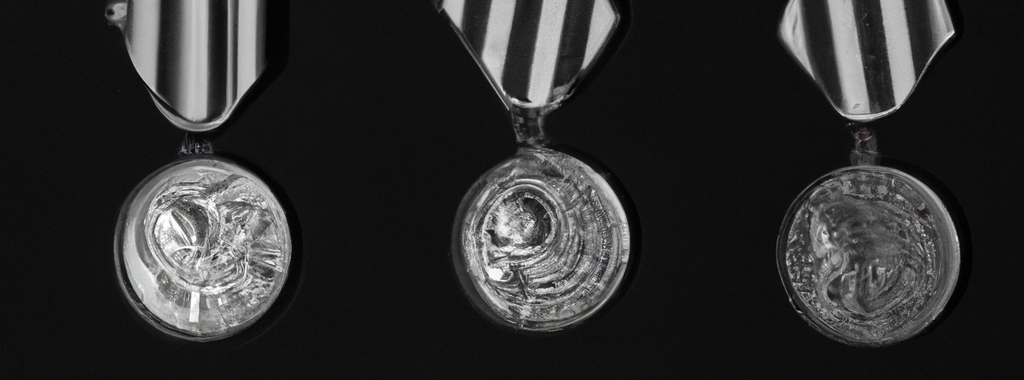
Did You Know? The Fascinating World of Medals
24/07/2025Did you ever stop to think about the medals we see at sporting events, ceremonies, or even in some unexpected places? These shiny, symbolic pieces are more than just decorative. They carry stories, histories, and sometimes even mysteries. Let’s dive into the fascinating world of medals and uncover some surprising facts.
First of all, did you know that medals have been around for centuries? The earliest known medals date back to the Roman Empire. These weren’t exactly like the ones we see today. They were more like commemorative coins, often used to celebrate military victories or honor the achievements of great leaders. Over time, they evolved into the more familiar form we know now, with ribbons and distinctive designs.
Medals play a crucial role in the Olympic Games, which is perhaps where we most commonly encounter them. The tradition of awarding gold, silver, and bronze medals dates back to the 1904 Olympic Games held in St. Louis, Missouri. Before that, winners were awarded silver and an olive branch, while runners-up received bronze. The choice of metals is not just random. Gold, silver, and bronze symbolize first, second, and third place and are chosen for their historical and economic value.
You might be surprised to learn that the medals awarded at the Olympics are not entirely made of gold or silver. Olympic gold medals, for instance, are mostly silver with just a small coating of gold. This has been the standard since the 1912 Games in Stockholm. Imagine if they were solid gold – they would be incredibly heavy and far more costly to produce!
Medals are also a significant part of military history. Military medals are awarded for acts of bravery, long service, or other notable achievements. Each country has its own set of military honors, and the design and significance can vary widely. In the United States, for example, the Medal of Honor is the highest and most prestigious military decoration, awarded for acts of valor above and beyond the call of duty.
Did you know that there’s a science to designing medals? It’s true! Designing a medal requires a deep understanding of symbolism, cultural significance, and aesthetics. Every element, from the choice of metal to the imagery and inscriptions, is carefully considered. Designers often work closely with historians and cultural experts to ensure that the final product is not only beautiful but also meaningful.
Medals aren’t just for athletes and soldiers, either. They can be found in surprising places, like academic institutions or even in the world of entertainment. For instance, the Nobel Prizes, awarded for outstanding contributions in fields like peace, literature, and science, come with medals that are almost as coveted as the cash prize itself. In the entertainment industry, awards like the Oscars and Grammys are essentially medals, recognizing and honoring excellence in film and music.
Interestingly, medals also have a place in the world of collectors. Some people dedicate their lives to collecting medals, seeking out rare and unusual pieces to add to their collections. These collectors often pay significant sums for medals with rich histories or ties to famous people or events. The market for collecting medals is vibrant, with auctions and exhibitions drawing enthusiasts from all over the globe.
The world of medals is vast and varied, with a rich history that touches many aspects of life. Whether they’re awarded for achievements in sports, military service, or other fields, medals carry stories that are worth exploring. Next time you see a medal, take a moment to appreciate not just its physical beauty but the story it tells.
Are you curious to learn more about the fascinating stories behind medals or perhaps interested in starting your own collection? Check out our blog for more intriguing insights and tips on diving deeper into this captivating world.